The Rise of Industry 4.0 in European Manufacturing
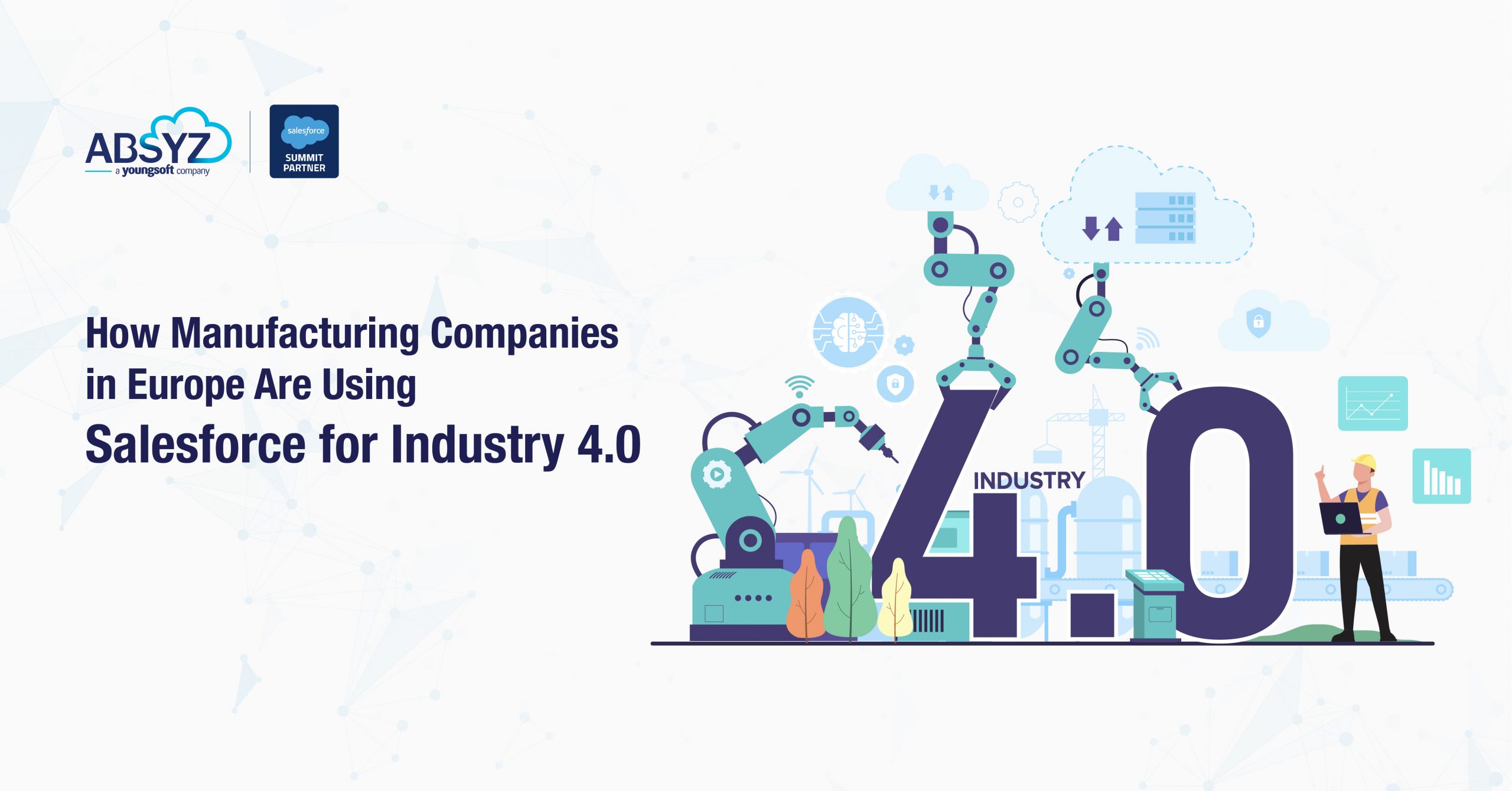
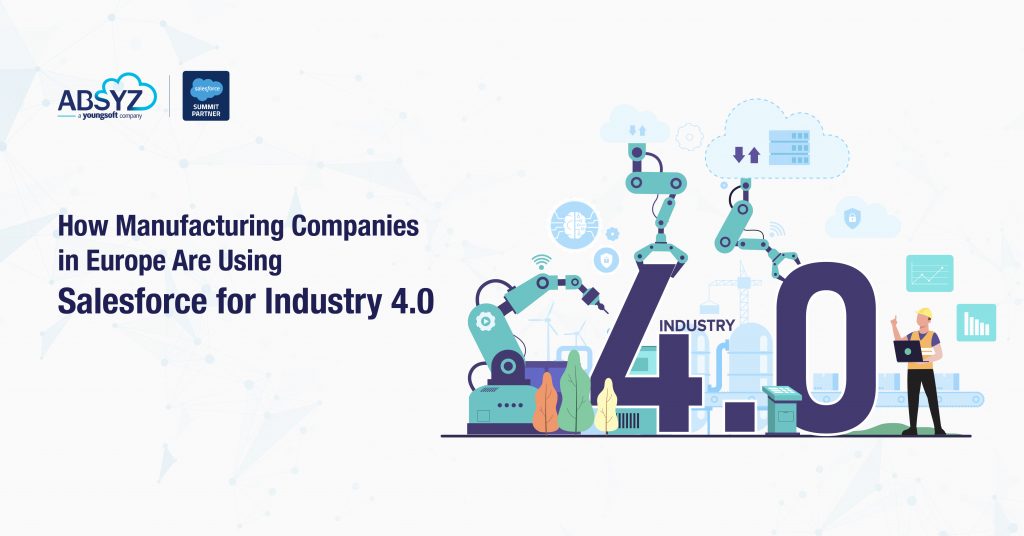
Across Europe, manufacturing is undergoing one of its most significant transformations in decades. From Germany’s advanced industrial hubs to emerging digital factories across Eastern and Northern Europe, manufacturers are embracing the principles of Industry 4.0—a model where connected systems, automation, data, and AI drive smarter operations.
However, the challenge for many manufacturers is not the availability of technology. The real challenge lies in connecting operational data with customer-facing processes such as sales, service, and supply chain management.
This is where platforms like Salesforce are increasingly playing a critical role. By connecting customer relationships, service operations, partner networks, and IoT-driven insights, Salesforce is helping manufacturers turn Industry 4.0 initiatives into measurable business outcomes.
What Industry 4.0 Means for Modern Manufacturers
Industry 4.0 goes beyond automation on the factory floor. It represents a broader shift toward intelligent, connected ecosystems where machines, people, and systems work together seamlessly.
Key elements of Industry 4.0 include:
- Connected devices and IoT-enabled equipment
- Real-time data visibility across operations
- Predictive maintenance and analytics
- Automated workflows and intelligent decision-making
- Integrated customer and partner experiences
For many manufacturers, achieving this level of integration requires bridging the gap between operational technology (OT) and enterprise systems like CRM and ERP.
Salesforce is increasingly used as the platform that connects these layers.
How European Manufacturers Are Leveraging Salesforce
1. Connecting Factory Data With Customer Insights
Modern manufacturing equipment generates vast amounts of operational data—from machine performance to maintenance signals. European manufacturers are integrating this operational data into Salesforce to provide customer-facing teams with deeper context. Sales teams can understand how products are performing in the field, while service teams gain visibility into potential issues before customers even report them.
This integration enables proactive engagement and improves customer relationships across the product lifecycle.
- Enabling Predictive Service and Maintenance
Service excellence has become a major differentiator in manufacturing.
Using Salesforce, manufacturers are building predictive service models that combine IoT signals with historical service data. When equipment shows signs of potential failure, service teams can schedule maintenance before downtime occurs.
This proactive approach reduces operational disruption for customers while strengthening long-term service contracts and revenue streams.
- Transforming Field Service Operations
European manufacturers often operate complex field service networks spanning multiple countries. Salesforce Field Service helps organizations optimize technician scheduling, automate dispatching, and ensure service teams have access to the right information at the right time.
Technicians can access customer history, equipment details, and recommended solutions directly from mobile devices, improving first-time fix rates and overall service efficiency.
- Improving Partner and Distributor Collaboration
Many manufacturers in Europe rely heavily on distributors, resellers, and service partners. Salesforce Experience Cloud enables manufacturers to create partner portals that allow distributors to access product information, track orders, manage service cases, and collaborate with internal teams.
This helps manufacturers build stronger ecosystems while maintaining visibility across the entire partner network.
- Building AI-Driven Manufacturing Insights
Industry 4.0 is increasingly tied to the ability to analyze data and generate actionable insights.
With AI capabilities embedded across Salesforce, manufacturers can:
- Identify emerging customer needs
- Predict product demand
- Analyze service patterns
- Recommend next-best actions for sales and service teams
When combined with unified data platforms such as Salesforce Data Cloud, these capabilities enable organizations to move from reactive operations to predictive decision-making.
Why Salesforce Fits the Industry 4.0 Vision
Manufacturers often operate with a fragmented technology landscape—ERP systems for operations, PLM systems for product data, and separate CRM tools for customer management.
Salesforce helps bridge these systems by serving as a central engagement platform where customer interactions, service processes, partner collaboration, and AI insights converge.
Rather than replacing operational systems, Salesforce complements them by enabling a connected, data-driven experience across the entire manufacturing ecosystem.
Key Benefits for European Manufacturers
Manufacturers adopting Salesforce as part of their Industry 4.0 strategy are seeing tangible benefits, including:
- Improved visibility across the customer lifecycle
- Faster service response times
- Stronger collaboration with distributors and partners
- Proactive maintenance and reduced downtime
- Data-driven decision-making across sales and service operations
These outcomes allow manufacturers to move beyond traditional product-centric models and embrace service-driven, customer-centric manufacturing.
ABSYZ POV: Turning Industry 4.0 Vision Into Execution
At ABSYZ, we work with manufacturers looking to connect their operational data, service operations, and customer engagement into a unified digital ecosystem.
Our approach focuses on helping organizations:
- Integrate Salesforce with manufacturing and IoT platforms
- Modernize field service and service lifecycle management
- Enable partner and distributor collaboration
- Activate AI-driven insights across manufacturing operations
By aligning Salesforce capabilities with Industry 4.0 objectives, manufacturers can transform disconnected data into actionable intelligence that drives both operational efficiency and customer value.
Turning Industry 4.0 Vision into Reality
Industry 4.0 is reshaping the manufacturing landscape across Europe. But achieving its full potential requires more than connected machines—it requires connected business processes.
By integrating operational insights with customer-engagement platforms such as Salesforce, manufacturers can unlock new levels of efficiency, service innovation, and competitive advantage.
Those that successfully bridge the gap between factory intelligence and customer intelligence will be best positioned to lead the next generation of manufacturing.
Author: Vignesh Rajagopal